




When the Dishes Come Out Dirtier Than They Went In
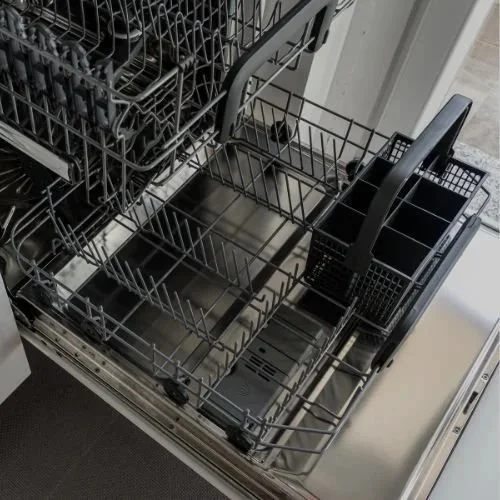
When dishes emerge worse off than they entered, it's usually a cry for help from a machine that's out of sync.
A dishwasher that leaves dishes cloudy, gritty, or suspiciously sticky doesn't just frustrate. It sparks confusion. After all, the entire point of using a dishwasher is to skip the elbow grease and enjoy sparkling plates with zero scrubbing. When dishes emerge worse off than they entered, it's usually a cry for help from a machine that's out of sync. Professional dishwasher services step in with the right tools and insight to give dishwashers a well-deserved reset.
Soap Doesn't Solve Everything
Dumping more detergent into the dispenser doesn't make dirty dishes cleaner. In fact, it can backfire spectacularly. Excess soap creates buildup inside the machine and leads to cloudy residue on everything from glasses to silverware. Hard water makes matters worse by combining with detergent and forming a chalky film that clings stubbornly.
Professionals usually start by inspecting soap use and checking for hard-water minerals. A high-quality rinse aid or water softening system might be part of the long-term fix. Sometimes less is more, especially when dealing with efficient machines that don't need a soap avalanche.
Spray Arms Need to Spin Like Dancers
Spray arms do all the heavy lifting in a dishwasher. If they're clogged, jammed, or spinning like a tired ballerina, dishes suffer. Food particles, mineral deposits, and greasy grime tend to build up in spray arm holes over time. When that happens, water pressure drops and coverage becomes spotty.
Professionals remove the arms and flush them with water or use tiny brushes to clear out the gunk. Once clean and spinning freely, spray arms regain their full range of motion, and dishes start coming out as if they've just checked into a spa.
Filters Hide Nasty Secrets
Down at the bottom of most dishwashers lies a filter that traps leftover food, seeds, and other debris. It's meant to protect the pump and recirculate clean water, but when ignored, it turns into a swampy mess. A clogged filter makes water murky and recycles grime across every plate and cup in the load.
Professionals pull out the filter, give it a proper scrub, and check for cracks or tears that might allow large particles to sneak through. A well-cleaned filter becomes the unsung hero of a successful wash cycle.
Heated Dry Cycles Need a Boost
When dishes exit dripping wet, with bits of food stuck like dried-on glue, the dry cycle might be at fault. Many modern machines use a heated rinse to prep dishes for the drying phase. If that heating element malfunctions, water doesn't evaporate properly, and leftover food sticks like cement.
Technicians use multimeters to check the heating element and thermostat. If needed, replacements are installed to restore that final blast of warmth that makes dishes come out clean, dry, and pleasantly toasty.
Blocked Drain Lines Lead to Disaster
If the dishwasher won't drain properly, dirty water pools and ruins an otherwise decent wash cycle. Cloudy water often means there's an issue with the drain line, air gap, or garbage disposal connection. A kinked hose, food clog, or backflow from the sink turns the bottom of the dishwasher into a murky pond.
Professionals unclog drains and verify that all connections are clear. In some cases, installing a high-loop or air gap helps prevent future backflow. Once water flows freely, dishes are no longer bathed in recycled sludge.
Racks and Spacing Make All the Difference
Loading style plays a surprisingly big role in the success of dishwashing. Overloading the machine, placing large items near spray arms, or blocking detergent dispensers can ruin a full cycle. Plates end up shadowed by water jets, and glasses trap bits of food rather than shedding them.
Professional services often include advice on rack arrangement. Tall items go on the sides, utensils face different directions to avoid nesting, and plastics go up top to avoid warping. Small tweaks in layout lead to big results in cleanliness.
Sensor Malfunctions Fly Under the Radar
Dishwashers packed with smart sensors sometimes lose their edge. A malfunctioning turbidity sensor might misjudge how dirty the water is and cut the wash cycle short. Temperature sensors that misread heat levels can lead to lukewarm rinses and soggy leftovers. Even door latches with weak seals can mess with internal timing.
Technicians test the sensors and calibrate as needed. Faulty parts are replaced, and dishwashers return to making clean choices instead of confused guesses.
Mold and Mildew Don't Stick to Just Bathrooms
A funky odor wafting from a freshly run dishwasher is never welcome. Warm, wet interiors breed mold and mildew if not aired out regularly. Leftover food trapped in seals and corners contributes to the smell—and ultimately to spotty, grimy dishes.
Professionals deep-clean rubber gaskets, interior walls, and hidden crevices using special cleaners designed to dissolve biofilm and remove odor. After a proper cleaning, the inside of the dishwasher smells like nothing at all—which is exactly what you want from a clean machine.
Electrical Troubles Create Mechanical Mayhem
When dishwashers skip cycles, stall mid-wash, or fail to engage critical components, the root cause is often the control board. A short circuit, loose wire, or fried fuse can confuse the machine and lead to inconsistent performance.
Trained technicians test electrical components and replace anything that's fallen out of line. Reconnecting sensors and wires helps the dishwasher regain its coordination and run through its cycles with renewed purpose.
Regular Maintenance Helps Avoid Grime Drama
Dishwashers that receive occasional TLC don't stir up drama. Professionals recommend periodic filter cleanings, inspecting spray arms, checking gaskets, and running empty cycles with dishwasher cleaner to flush out buildup. These simple steps prevent food film and funky smells from becoming full-blown performance issues.
Just like cars need oil changes and pets need baths, dishwashers benefit from regular care. When treated well, they return the favor in sparkling dishes and fuss-free operation.
Calling In the Professionals
When dishes exit the machine worse than they entered, it's not just annoying—it's a sign that something mechanical needs attention. Professional dishwasher services pinpoint issues quickly, offer long-term solutions, and eliminate the mystery of malfunctions. They arrive armed with tools, knowledge, and the kind of patience only a seasoned technician can wield.
No one should have to rewash dishes by hand after trusting a dishwasher to do its job. With expert help, every fork, plate, and glass can come out looking showroom-ready—minus the price tag and a whole lot more convenience.