
When the Washer Spins, But Clothes Stay Soaked: What Technicians Know
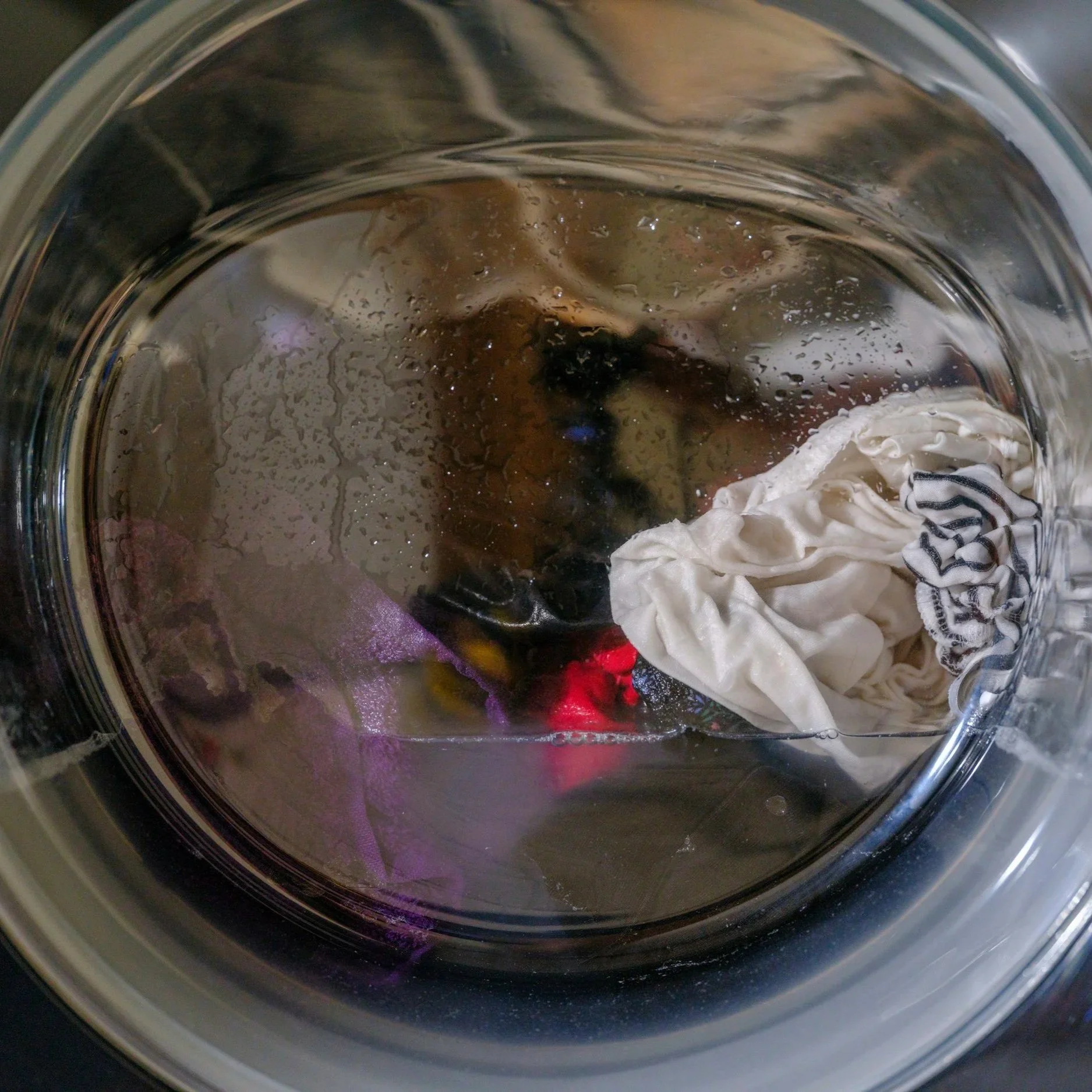
When a washer spins, but clothes stay soaked, it’s usually not the drum’s fault.
A washer that completes its cycle but leaves clothes dripping is one of life’s quiet betrayals. Everything sounds normal. The spin cycle finishes. The machine powers down. But the moment the lid opens, it’s clear something didn’t happen the way it should. Towels feel like they’ve just taken a swim, and shirts weigh twice as much as usual.
When a washer spins, but clothes stay soaked, it’s usually not the drum’s fault. It’s spinning its heart out. Something else is standing in the way, and that’s where appliance technicians step in with answers that don’t involve guesswork.
When Draining Doesn’t Do Its Job
One of the most common culprits behind a washer that leaves wet clothes behind is a drainage issue. The spin cycle might run at full speed, but if the water has nowhere to go, it ends up right where it started—soaking the laundry.
Blocked or partially clogged drain hoses slow down the process without triggering any major alarms. Water lingers longer than it should, and the final spin can’t pull enough moisture from the load. Filters clogged with lint, hairpins, or forgotten receipts also cause trouble. Some filters become blocked so gradually that the change goes unnoticed—until suddenly, every load feels like it came out of a pool.
Technicians know how to track water flow throughout the entire system. They check for clogs, inspect the pump, and test the drain line to pinpoint precisely where the water flow stops behaving.
Spin Power Without Water Removal
In some cases, the drum spins exactly as it should, but the clothes still feel wet. That often means the spin speed isn’t high enough to remove moisture, even though it’s technically working. A machine that’s overloaded or unbalanced can trick the system into running a gentler spin cycle.
A technician can inspect the motor and spin settings to determine whether the machine is reaching its full performance—or just pretending to. They’ll also check for damage to the belt, motor coupling, or clutch system that might prevent full-speed spins even when the cycle says it’s complete.
Modern Machines, Modern Quirks
Newer washers come with sensors that read everything from load size to water temperature. They decide how hard to spin, how long to rinse, and how much energy to use. These sensors are great when they work. But when they start misreading data, the machine makes decisions that leave clothes soggy.
A technician who works with newer models knows how to test those sensors and recalibrate the washer so it works as it did on day one. That usually doesn’t require replacement parts—just a bit of expert troubleshooting and a few adjustments behind the scenes.
Drain Pumps That Stop Pulling Their Weight
Drain pumps have one job—move the water out. When they begin to fail, water sits longer than it should. Sometimes the machine gives an error code. Sometimes it doesn’t. The spin cycle ends as usual, but the water hasn’t really gone anywhere.
A drain pump issue doesn’t always mean a full replacement. It could be debris, a minor blockage, or impeller wear. A trained technician can open it up, test it under load, and figure out what’s causing the stall without guessing or replacing unnecessary parts.
The Importance Of Load Balance
Washers need balance. Uneven loads cause problems that don’t always sound obvious. When the load shifts, especially with heavy or bulky items, the drum can’t hit full speed. To avoid damaging itself, the washer slows down or pauses the spin altogether.
That’s not a flaw—it’s self-preservation. But it leaves the clothes soaking wet. A technician can identify if suspension rods, shock absorbers, or balance rings are wearing out. They’ll test the way the drum responds under load and make adjustments so future spins don’t end in half-done cycles.
Small Parts, Big Impact
Washing machines are packed with small parts that control how and when the machine drains. A worn lid switch or malfunctioning water level sensor can quietly throw off the whole cycle. Some models even disable full-spin speeds when the lid lock fails to engage correctly.
These parts are often overlooked in DIY fixes, but they make a huge difference. A local appliance technician knows where to check, how to test them, and which components need a quick tune-up versus a full replacement.
Why Local Repairs Make More Sense
Calling a professional early means less guessing, fewer repeat washes, and faster solutions. A local appliance repair service arrives with the tools, the parts, and the know-how to fix the issue at its source—not just mask it.
They also offer something else most people don’t think about until it’s too late: clear communication. There’s no mystery diagnosis, no endless waiting, and no vague advice about “just running smaller loads.” It’s straightforward, practical help that brings the washer back to full function.
From Soggy Loads To Smooth Cycles
A washer that spins but doesn’t leave clothes dry isn’t just annoying. It’s a sign that something inside the system isn’t doing its job. With help from a qualified appliance technician, that cycle of re-washing and extra drying time can end quickly.
Repairs handled early restore full performance, protect the rest of the machine, and keep laundry day from dragging on longer than it should. And when the clothes finally come out light, dry, and ready to fold—there’s nothing better.
