
Why Electric Stovetops Stop Heating Without Warning
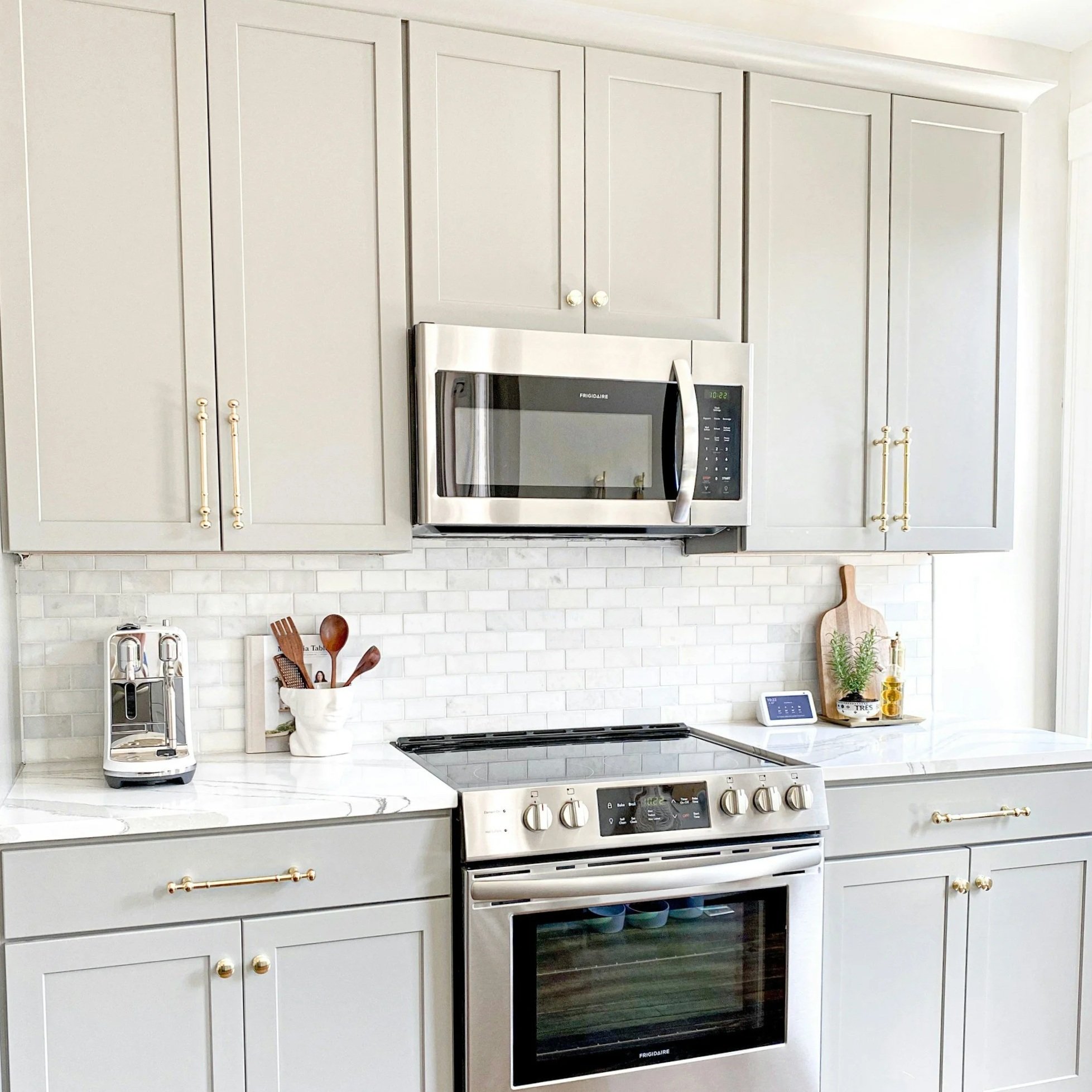
Electric stovetops are like any hardworking appliance: they rely on a few key systems working in harmony. When one fails, dinner plans can unravel.
Electric stovetops have earned their place in kitchens for their sleek design, easy cleanup, and precise temperature control. But nothing throws off a dinner plan like a stovetop that suddenly refuses to heat. One moment, the pasta water is nearly boiling; the next, silence and stillness. No clicks, no glow, just an eerie calm that spells takeout.
Before diving headfirst into a panic spiral—or Googling "dishwasher services" in hopes of some cosmic fix—it helps to understand the likely culprits behind the sudden silence. Electric stovetops are like any hardworking appliance: they rely on a few key systems working in harmony. When one fails, dinner plans can unravel.
Blown Fuses And Tripped Breakers
Electric stovetops draw a lot of power. It's not uncommon for them to trip a circuit breaker, especially in older homes or kitchens with overtaxed electrical panels. A sudden stop in heating often traces back to a breaker that decided to take an early retirement. A peek inside the breaker box might reveal the switch flipped halfway, playing coy between "on" and "off." Flipping it back can sometimes bring everything roaring back to life.
In some models, individual stovetop burners have their own internal fuses. If only one burner has stopped working while the others remain fiery and full of purpose, a blown burner fuse might be the sneaky saboteur.
Loose Or Damaged Wiring
Like any relationship, electric stovetops need strong connections. Wires carry the current that powers those glowing coils or radiant glass surfaces. If a wire comes loose or gets damaged—either from age, rodents with adventurous palates, or past repairs gone sideways—power can't reach the burner.
Symptoms tend to start subtly. A burner that heats inconsistently, flickers like a tired campfire, or cuts out randomly may have wiring trouble. Pulling the stovetop away from the wall and inspecting for visible signs of damage, burn marks, or loose connections often reveals the tale. But, given the risk of electric shock, it's best to let professionals handle this kind of internal snooping.
Faulty Burner Element
Burner elements can wear out over time, much like a pair of favorite jeans that finally give out at the seams. Coils that glow unevenly, remain cool, or work intermittently might be crying out for retirement. In smooth-top models, the problem can hide behind glass, giving no visible clue.
Swapping a suspicious burner for one that works from another position (on compatible stovetops) can be a quick detective trick. If the working burner fails in the same spot, the issue lies deeper—perhaps in the socket or switch. If it lights up just fine in the new location, the original burner's been caught in the act.
Broken Infinite Switch
Under each knob lies a switch with a fancy name: the infinite switch. This little component controls how much current flows to the burner, essentially giving orders like a heat DJ. If it goes haywire, the burner may receive no power or far too much.
Sometimes, the knob feels loose or turns endlessly without engaging the element. Other times, the burner ignores all commands, no matter how high the dial turns. Replacing an infinite switch involves accessing the internal panel, usually from the back, and swapping the part. Not a weekend project for the faint of heart, but a satisfying fix when done right.
Sensor And Control Board Issues
Modern electric stovetops have entered the smart age, which means circuit boards and temperature sensors play behind-the-scenes roles in keeping everything hot and safe. If the sensors misread temperatures or the control board malfunctions, the system might shut down heating as a safety measure.
A burner that refuses to stay on or heats only in short bursts might be acting on bad advice from a glitchy sensor. In some models, flashing lights or error codes offer clues to the deeper electronic drama unfolding. While these components cost more than a basic burner element, replacing them often revives a stove that seemed ready for retirement.
Thermal Cutoff Or Safety Thermostat Trips
To protect against overheating, many stovetops come equipped with thermal cutoff switches. These devices jump into action when things get too hot—like a well-meaning lifeguard pulling swimmers out of the deep end a little too early.
Once tripped, the stove stops heating entirely. Some resets require simply waiting for the unit to cool, while others require a manual reset or even replacing the thermal fuse. Frequent tripping might suggest blocked airflow around the stove or deeper wiring issues hiding in the shadows.
Moisture And Spills
Electricity and water have never been the best of friends. A stovetop that recently suffered a pasta water rebellion or boiling-over soup mishap might be temporarily out of commission due to moisture getting into the control knobs, beneath the glass, or inside the housing.
Unplugging the stove and letting it dry completely often restores order. If the problem persists even after the area is bone dry, the spill may have shorted out sensitive components, and it's time to consider repair services before lighting another burner.
Aging Appliances
Like that loyal old dishwasher that hums a little louder with each cycle, electric stovetops have a lifespan. Wiring degrades, switches weaken, and components stop cooperating. If breakdowns are becoming frequent companions in the kitchen, the stove might be signaling that it's ready to bow out gracefully.
Repairs can breathe new life into a beloved appliance, especially when handled by experienced professionals. But for models that have endured decades of casseroles, cookies, and kitchen chaos, replacement may be the smarter option.
When Professional Help Is The Right Call
Some fixes can be handled with a screwdriver and a YouTube tutorial. Others demand a voltmeter, deep knowledge of circuits, and a healthy respect for electricity. Knowing the line between a DIY project and a call to the experts keeps kitchens safe and stovetops functioning.
Local appliance repair pros are equipped to handle everything from faulty burner elements to stubborn control boards. Some companies even pair stovetop fixes with dishwasher services, helping the whole kitchen run smoothly.
Conclusion: Don't Let The Heat Fizzle Out
Electric stovetops rarely quit without a reason. Whether it's a tripped breaker, a tired burner, or a mischievous sensor, the solution often lies just below the surface—quite literally. Understanding the common culprits gives homeowners a leg up in restoring heat and order to their kitchens.
Dinner deserves more than a cold burner and a mystery. When in doubt, trust the professionals to trace the issue, spark a solution, and keep the meals coming. The stovetop may go quiet from time to time, but it doesn't have to stay that way for long.
