
Why Towels Take All Day to Dry
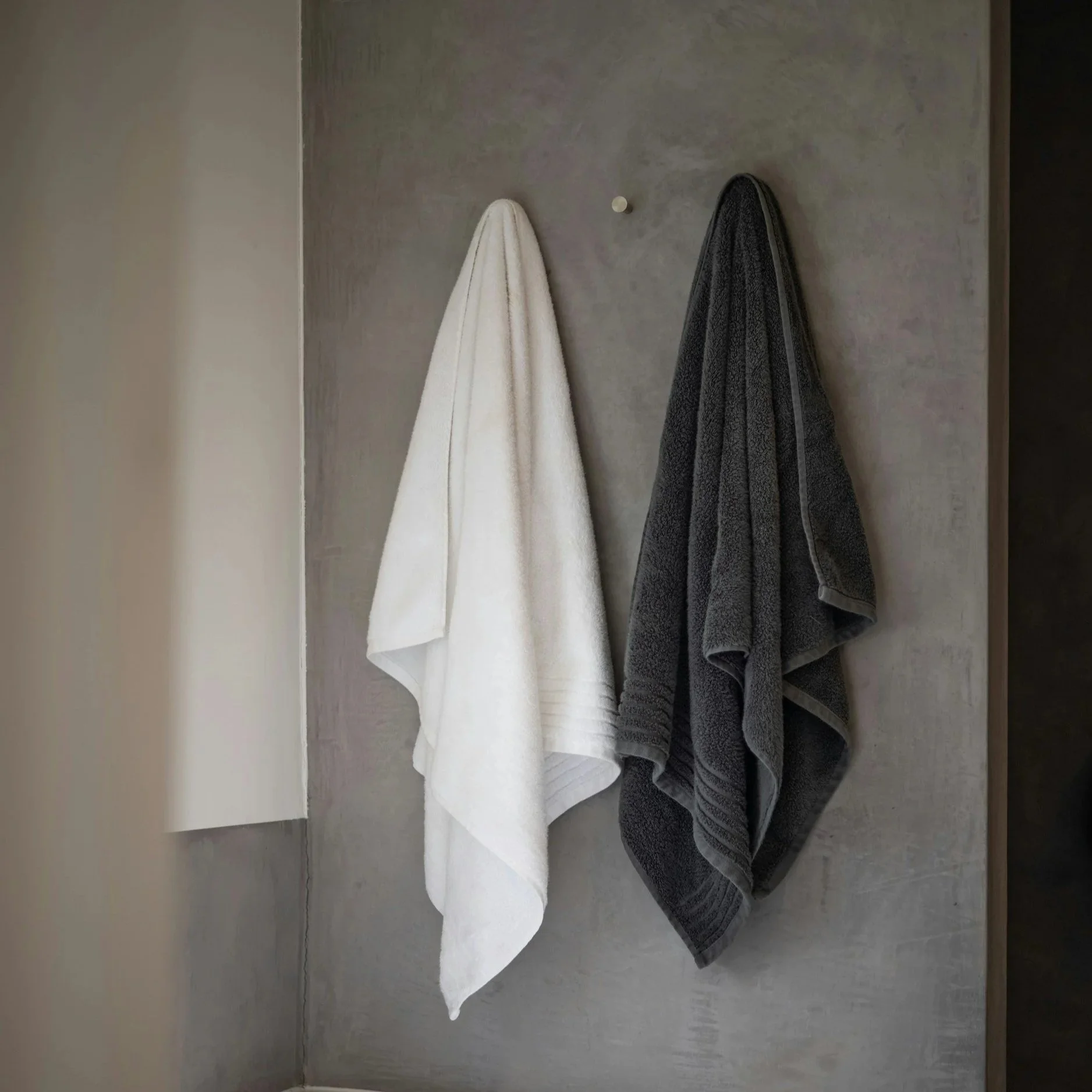
The reason has nothing to do with laziness and everything to do with fabric density, dryer health, and a few household habits that sneak up over time.
Towels might be fluffy and soft on the shelf, but when they hit the dryer, they suddenly take on the personality of a soggy sponge. As the rest of the laundry tumbles out warm and crisp, towels often lag behind—heavy, damp, and in no hurry to cooperate. The reason has nothing to do with laziness and everything to do with fabric density, dryer health, and a few household habits that sneak up over time.
Thick Fabric, Slower Dry Time
Towels are made to absorb moisture, and they do it well. Those thick loops and dense threads that feel luxurious after a shower also trap water deep within the fabric. The heavier the towel, the longer it takes for heat to penetrate all the way through. Cotton towels, in particular, love to hold onto water like it’s their job. And it kind of is.
Microfiber towels, although thinner, are just as clingy with moisture. The synthetic fibers pull in water quickly, then resist giving it up. So, whether the towel is a plush hotel-style bath sheet or a high-tech microfiber gym towel, the fabric itself is built to soak and store.
Overloading the Dryer Doesn’t Help
Packing the dryer with every towel in the house might sound efficient, but it slows everything down. When towels are jammed together, there’s no room for hot air to circulate. They bunch up, stick together, and turn into one damp mass that the dryer can’t handle.
Instead of drying evenly, the outer layers warm up while the inner layers stay wet. The dryer keeps spinning, energy bills keep climbing, and the towels remain stubbornly moist. Even a high-powered dryer struggles when there’s no airflow between items.
Lint Buildup in the Dryer
Towels shed a lot of lint. That soft fuzz floating through the air in the laundry room isn’t just annoying—it’s a sign that the dryer’s lint trap is working overtime. When the lint filter clogs up, airflow drops dramatically. With nowhere for hot air to go, the dryer loses efficiency.
Lint doesn’t just build up in the trap either. It sneaks into the vent hose and collects around the heating element. The dryer starts to work harder and longer without better results. Clean towels become a waiting game, and the machine wears out faster in the process.
Dryer Vent Blockages Make Things Worse
When the vent leading outside is partially blocked by lint, birds’ nests, or a stray sock that somehow found its way in, the problem escalates. Moist air lingers inside the dryer drum, and towels soak it right back up. Every minute of heat adds more humidity rather than less.
In severe cases, the dryer overheats and shuts off early, leaving laundry only half dry. A blocked vent also raises the risk of fire, so it’s more than just an inconvenience—it’s a safety concern. Routine cleaning keeps the path clear and the towels moving toward dryness.
Washing Machine Woes
Before towels even reach the dryer, the washer sets the stage. A washer that doesn’t spin effectively leaves towels too wet. When the final spin cycle fails to extract enough water, the load heads into the dryer already behind schedule.
Worn belts, a weak motor, or an unbalanced load can reduce spin speed. The result is towels that are still dripping when they transfer from one machine to the other. A high-efficiency washer with a powerful spin cycle makes a big difference in drying time, but only if it’s working properly.
Hard Water Leaves a Film
Minerals in hard water don’t just impact pipes and appliances—they cling to fabrics too. Over time, towels washed in hard water become stiff and heavy. The residue traps moisture, leaving towels wetter than they should be. They dry slower and start feeling rough and scratchy.
A water softener can help, but even without one, running a vinegar rinse every few weeks helps dissolve mineral buildup and restores towel fluff. Soft, clean fibers dry faster and feel better.
Towels Love to Cling
When multiple towels go into the dryer, they tend to tangle and ball up. A large bath sheet wrapped around smaller towels creates a damp cocoon that blocks airflow. No amount of tumbling can untangle that mess once it’s in motion.
Dryer balls or clean tennis balls tossed in with the load help break up those clumps. They bounce around, separate fabrics, and improve air circulation. It’s a small trick with a big impact on drying time.
Dryer Not Hot Enough
Sometimes, the problem isn’t the towels—it’s the machine itself. If the heating element in the dryer starts to weaken, the appliance loses its drying power. A dryer may tumble just fine and feel warm to the touch, but the air inside the drum isn’t reaching the right temperature.
Low heat means longer cycles, and towels become the ultimate test. If they’re taking twice as long as usual, the heating element or thermostat may be calling for retirement.
Humidity in the Laundry Room
When moisture hangs in the air, drying anything takes longer. A small, enclosed laundry space with poor ventilation traps humidity from the drying cycle. The air inside the dryer drum becomes saturated, and moisture transfer slows down.
Using a dehumidifier, cracking a window, or installing a proper exhaust system makes the room less muggy and more drying-friendly. Towels respond by finishing faster and feeling fresher.
Professional Washer and Dryer Services Keep Things Running
Towels may be the heavyweight champions of laundry day, but they shouldn’t feel like a time-consuming task. When machines run efficiently, filters stay clear, and vent systems stay open, towels dry without a marathon effort. Routine maintenance helps identify worn parts before they start affecting performance.
Expert washer and dryer services diagnose mechanical issues early, improve airflow, and extend appliance life. Whether it’s recalibrating a spin cycle or replacing a tired heating element, a tuned-up machine brings laundry day back to a manageable pace.
No one has time to wait around for damp towels to finish drying. When everything in the laundry system works together, towels dry faster, last longer, and return to their rightful place—clean, fluffy, and folded on the shelf instead of holding up the entire load.
