
Local Stove Repairs That Don’t Leave You Stuck With Takeout
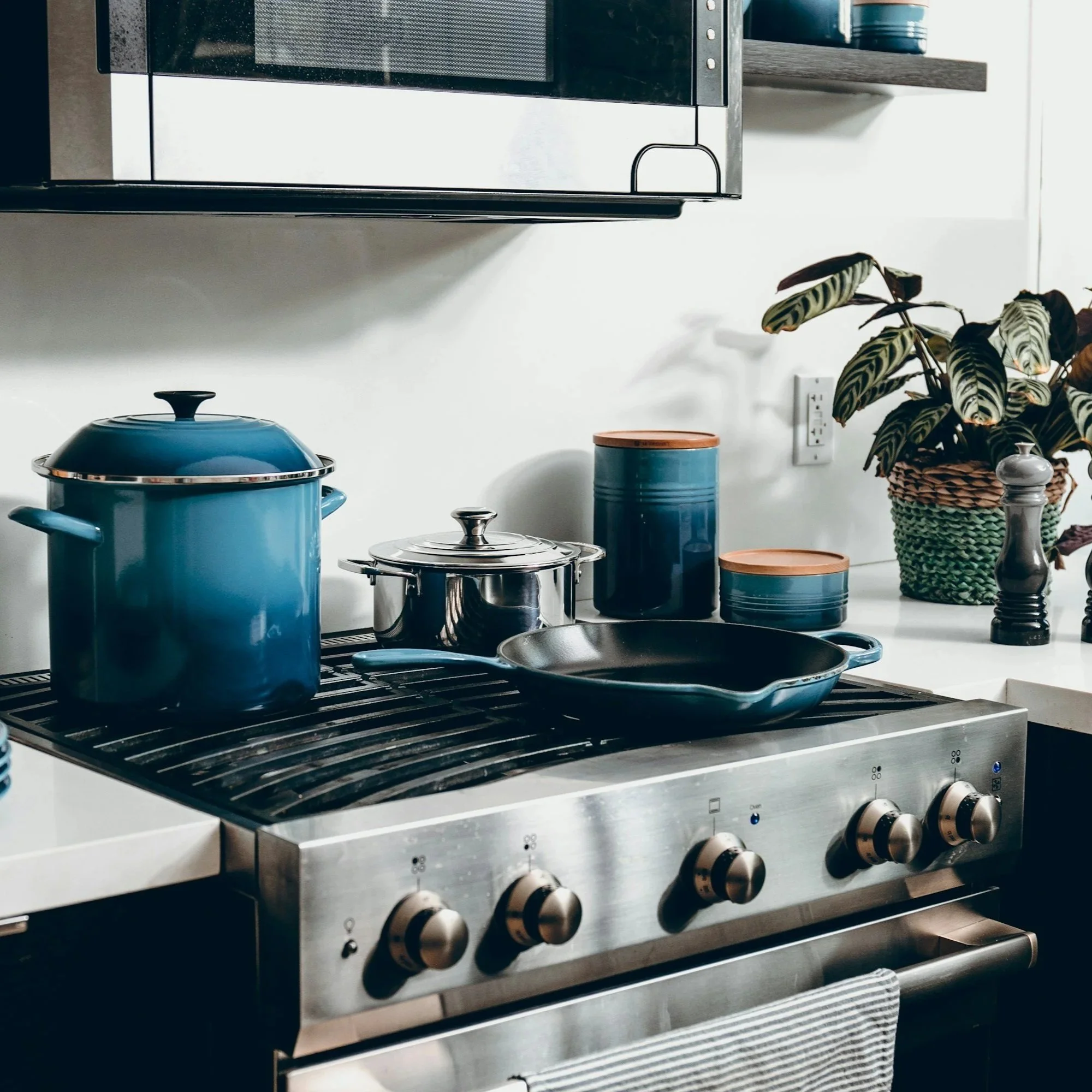
Local stove repairs can save the day and keep your kitchen running without the need for takeout.
There’s something undeniably satisfying about cooking with a stove that works just as it should—smooth heat, controlled flames, and the hum of a busy kitchen. But when that stove suddenly stops playing nice, dinner plans can turn into a race against time. The last thing you want after a long day is to be stuck with a cold burner and a pizza menu. Local stove repairs can save the day and keep your kitchen running without the need for takeout.
Stoves, much like any hardworking appliance, can encounter a few hiccups along the way. But before giving in to the temptation of ordering food (again), understanding common stove problems and how quick fixes can move you back on track is the key. When your stove starts to misbehave, don’t panic. Help is closer than you think.
Unresponsive Burners
Few things are more frustrating than turning the knob to fire up a burner only to have it sit there, cool and uncooperative. If your gas burner fails to light or your electric coil doesn’t heat up, you’re in for a standstill. One minute, you’re excited to sear that chicken breast, and the next, it’s like your stove is giving you the silent treatment.
For gas stoves, the culprit is often a dirty or clogged igniter. Food splatters, grease, and even dust can block the tiny spark that starts the flame. Cleaning the igniter with a soft cloth or brush can sometimes solve the issue. If it’s an electric stove with a non-heating coil, a worn-out element may be to blame. Replacing the coil is typically a quick fix, and new ones are easy to find at appliance stores.
For gas stoves with no flame, check the gas supply. Sometimes, a simple turn of the valve or reconnecting the gas line is all it takes to start moving again.
Uneven Heat Distribution
When your burner’s flame looks like it’s auditioning for a horror movie, you’re in for uneven cooking at best, and burned food at worst. Uneven flames or erratic heat distribution on an electric stove can cause major headaches. The problem is often traced to dirty burners or a faulty element. Cleaning the burner heads on a gas stove or replacing an electric coil is an affordable fix.
In cases where the flame is too high on one side and too low on the other, an issue with your gas supply may be at fault. A gas stove with uneven flames could have an obstructed or misaligned burner head, which interferes with the gas flow and causes inconsistencies. A quick cleaning and realignment can often restore the stove’s proper operation.
Sometimes, uneven heating is more subtle, such as one burner heating up more slowly than the others. In that case, check if the burner itself is worn or the underlying connections are loose. A local repair technician can identify whether the element needs replacing or if wiring is the issue.
Burner Smell Or Strange Odors
A strange smell coming from your stove is never a good sign, especially if it’s accompanied by a sputtering flame or heat fluctuations. For gas stoves, the smell could be a gas leak or an issue with the burner assembly. Gas leaks are serious, and any whiff of gas should be addressed immediately by turning off the gas supply and contacting a professional. You can’t afford to wait when dealing with gas.
If the odor is more like burning, it could be a sign of food or grease buildup on the burners. Over time, grease and food particles can collect on the burner heads, causing an unpleasant burnt odor when heated. Regular cleaning can prevent this, but if the smell persists, it’s wise to call for a repair.
For electric stoves, an odd smell might indicate an overheated element or a faulty connection. A local stove repair technician can take care of this quickly, diagnosing whether the element has failed or if the wiring is acting up.
Uneven Flame (For Gas Stoves)
Nothing quite beats the charm of a gas stove, but when the flame starts to behave erratically—either flaring up too high or flickering too low—it’s a problem. A properly adjusted gas flame should be steady, blue, and burn evenly across the burner.
If your gas flame is uneven, you could be looking at a couple of potential issues. First, confirm the burner is cleaned thoroughly. Debris or food particles can block gas flow, causing a turbulent flame. If the burner seems clean and free of obstructions, the issue could be deeper in the stove’s gas system. It may be time for a professional inspection of the gas valve or a replacement of the burner head.
When the flame burns yellow or orange, it indicates incomplete combustion, often due to improper airflow or a dirty burner. Cleaning the burner and adjusting the air shutters can help restore a proper blue flame. If these simple fixes don’t do the trick, it might be time to have a local repair technician check the gas flow.
Ignition Problems
When you turn the knob on your gas stove, you expect an instant flame. If you’re greeted with endless clicking but no fire, the issue likely lies with the ignition system. A gas stove’s ignition relies on a spark to light the gas. If that spark isn’t strong enough, or the igniter itself is dirty or broken, you’ll find yourself in a clicking loop, which won’t help you make dinner.
Cleaning the igniter is a good first step. If the igniter is too far gone, replacing it can bring the stove back to life. Sometimes the problem is the spark module or the wiring, and that’s when the expertise of a local repair professional comes in handy.
Flames That Won’t Turn Off
Flames that won’t turn off are a serious problem, especially for gas stoves. If your burner won’t stop cooking—even when you’ve turned the knob all the way off—there’s a chance that the valve is faulty, and the gas isn’t shutting off correctly. This issue requires a professional who can assess whether the valve needs repair or replacement.
For electric stoves, a similar problem could stem from a malfunctioning thermostat or faulty control board, causing the element to stay heated even when it shouldn’t. Local stove repair technicians are familiar with these issues and can quickly resolve them.
Aging Stoves
Sometimes, a stove just becomes old. Constant cooking, cleaning, and the general wear of life in the kitchen can take its toll. If your stove is frequently acting up, and you’ve already tried basic troubleshooting, it may be nearing the end of its life. However, even old stoves can be revived with a little TLC and professional care.
Local stove repair services can breathe new life into an aging stove by replacing worn-out parts and fixing faulty connections. While some repairs might be more costly than others, a local technician can help you determine whether a repair is worth the investment or if it’s time to look into a replacement.
Choosing Local Stove Repair Services
When you need help fixing your stove, the last thing you want is to deal with long wait times or impersonal service. Local stove repair services give you the advantage of fast, reliable help without the hassle. Local technicians know the area, understand common issues, and are committed to customer satisfaction. They’ll quickly diagnose the problem and provide a solution that works within your budget.
Many local repair companies also offer appliance services that extend beyond stoves. If your dishwasher is also misbehaving, they can help with that too, saving you from juggling multiple service calls.
Having a stove that works well is a kitchen necessity. When something goes wrong, local stove repairs can save you from a night of takeout. From dirty burners to faulty ignition systems, most stove problems have simple solutions that don’t require a new appliance. With the right repair service on your side, your stove can be back up and running in no time—no takeout required.
